



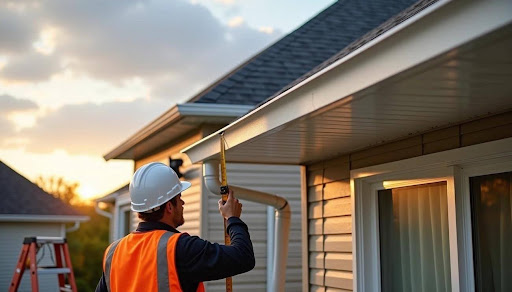
protects your home from moisture and structural damage, yet many homeowners in London make avoidable mistakes during this process. The soffit panels form your roof overhang’s ceiling, while fascia are the vertical surfaces below the roof that provide support for eavestroughs. These components work together with your soffit fascia eaves system to ventilate your attic, release excess heat, and prevent animals and insects from invading your home. Throughout this piece, I’ll share everything in soffit and fascia installation to help you avoid common errors. Whether you’re planning a new installation or need soffit repair in London, working with professionals like Beaumart Aluminum can make all the difference in achieving lasting results.
Material Selection and Preparation Mistakes with Beaumart Aluminum
Many installation failures with Beaumart Aluminum products start before the first panel goes up. The most damaging mistake involves skipping timber inspection. You need to get into the supporting wood for dampness and rot. Installing new aluminum fascia over compromised timber creates a false seal that traps moisture and accelerates deterioration.
There’s another critical mistake in material preparation: expansion gaps. Aluminum expands and contracts a lot with temperature fluctuations. A standard 12-foot piece of brown aluminum fascia expands by a full 1/4 inch when moving from shade to hot sun. Installers measure from the wall to the fascia board without accounting for thermal movement most of the time. You should subtract 1/4″ to 3/8″ from your measurements to allow expansion. Installing aluminum soffit and fascia installation at 15 degrees Fahrenheit causes bulging and buckling when summer heat arrives.
The distance from your building wall to the fascia board can vary by more than 6mm throughout the wall length. Measuring at only one point creates panels that fit poorly at other locations. Check measurements at multiple points before cutting. Prime any bare wood surfaces before capping them with aluminum to establish a waterproof barrier.
Critical Technical Errors During Soffit and Fascia Installation
Fascia nailing mistakes rank among the most destructive errors during soffit and fascia installation. Never face nail fascia boards. Nail through the underside of the fascia as shown in manufacturer’s specifications. This is critical: don’t drive fasteners tight. Fascia must hang, not be torqued down, to allow expansion and prevent distortion. This hanging technique applies whether you’re working with Beaumart Aluminum products or other materials.
Fastener spacing determines long-term durability. Aluminum and vinyl soffit require fastening every 12 inches front to back. Space fasteners 12 inches on center at all panel edges and intermediate supports with soffit panels. But if your soffit isn’t supported by fascia and frieze, reduce spacing to 6 inches on center.
Panels cut too tight cause warping and buckling. Miter soffit corners rather than using butt joints to get professional results. Repair rotten wood completely before any installation. New panels installed over compromised wood create immediate failure points.
Nailing strips become essential at the time eave spans exceed 16 inches. Panels sag without these supports. To name just one example, line up soffit vents with attic vents to maintain proper airflow. This alignment prevents blocked ventilation and trapped moisture in your attic space.
Maintenance Planning and Prevention Mistakes
Regular inspections get skipped often after your Beaumart Aluminum soffit and fascia installation. This represents the biggest problem with maintenance. Schedule inspections twice yearly during spring and fall to catch problems before they escalate. Spring inspections become especially critical after winter freeze-thaw cycles cause cracks and deformations. Check for visible holes, scratch marks, nests, or animal droppings that indicate pest entry. Water stains, peeling paint, and wood rot signal moisture infiltration that requires immediate attention.
Debris accumulation blocks ventilation and traps moisture against panels. Clear leaves, pine needles, and twigs from soffit vents every few months. Blocked perforated soffits prevent proper attic ventilation. Your attic should provide 1 square foot of free flow vent area for every 300 square feet of insulated ceiling area. Poor ventilation creates mold problems and increases energy expenses.
Caulk maintenance gets neglected and allows water intrusion at the seams. Inspect and replace cracked or peeling sealant around fascia boards, gutter connections, and corner joints every 3 to 5 years. Use weather-resistant caulk rated for cold temperatures to maintain flexibility through seasonal changes.
DIY repairs on serious damage often worsen problems when you attempt them. Wood rot, severe warping, water infiltration into the attic, or animal damage require a full picture from professionals. Professionals identify mechanisms and seal all entry points during repairs. This prevents recurring issues.
Conclusion
Successful soffit and fascia installation depends on avoiding these preventable mistakes from start to finish. You’ve now learned the errors in material selection and installation techniques that compromise your home’s protection. Working with experienced professionals like Beaumart Aluminum gives you peace of mind that every detail receives the attention it needs. Apply these installation tips to your project, and you’ll enjoy durable roofline components that protect your London home for years to come.