


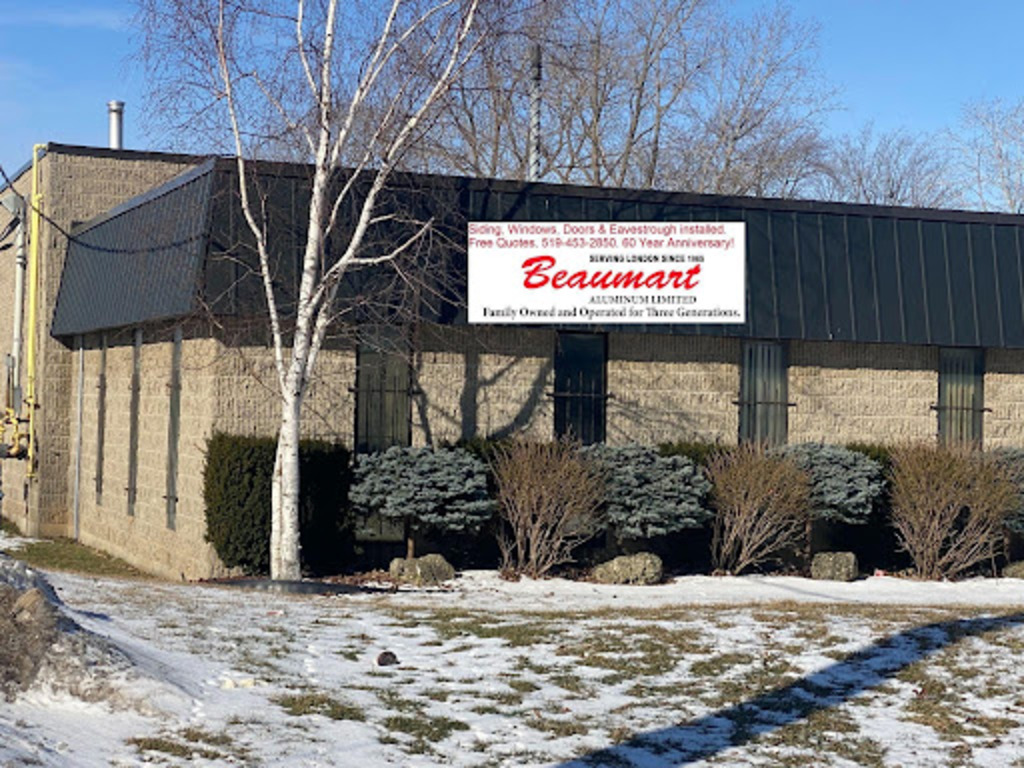
Most property owners assume any siding installer can handle their commercial project. However, expertise and quality vary significantly across providers. At Beaumart Aluminum, we’ve seen how the wrong choice can lead to structural issues and expensive repairs down the line.
Choosing a professional siding installer isn’t just about aesthetics. It affects your building’s durability and energy performance. Whether you’re searching for siding installers in your area or evaluating siding companies, the installer’s experience and standards can make all the difference.
We’ll walk you through what distinguishes professional commercial installers and the hidden risks of poor selection. You’ll also learn about the long-term benefits of making the right choice for your property.
What Sets a Professional Commercial Siding Installer Apart
A major factor is length in business. If the company is making claims that they will be around to service the product in the future however the company is not very old you may want to make other arrangements. Proper liability insurance and workers’ compensation coverage protect you from financial liability if accidents or property damage occur during installation.
Commercial projects need specialized expertise that residential work does not require. An experienced siding installer understands the complexities of working around operational businesses and managing large-scale installations while adhering to stringent safety protocols. We’ve completed many commercial projects at Beaumart Aluminum where this expertise proved to be integral to minimizing disruptions and maintaining quality standards.
Manufacturer certifications distinguish trained professionals from general contractors. Many roofing & siding companies get specialized training from manufacturers like Gentek Building Products, Metalunic Design and Agway Metals Inc. These programs teach proper installation techniques and labor-saving methods. Improper installation voids manufacturer warranties and causes poor product performance.
A knowledgeable contractor provides detailed and transparent estimates before work begins. They guide you through material options suited to your building’s requirements. Verify their experience with your specific building type when searching for siding installers in your area, whether it’s an office complex or retail store.
The Hidden Risks of Choosing the Wrong Siding Installer
Poor installation creates warranty complications that catch property owners off guard. Most vinyl siding warranties protect the material itself, not workmanship. Coverage gets denied when installation doesn’t follow Vinyl Siding Institute standards and manufacturer guidelines. You’re left paying for repairs even when the product remains intact.
Water infiltration is the most damaging consequence of substandard work. Gaps, improper overlapping, or incorrectly installed flashing around windows and doors allow water to seep behind siding panels. Moisture penetrates and becomes trapped with no escape route. This trapped water attacks wooden studs, floor joists, and support beams. They weaken and rot.
The dark, damp environment behind poorly installed siding creates the perfect conditions for mold and mildew growth. These organisms release spores that compromise indoor air quality and trigger respiratory problems, allergies, and headaches. Structural components can fail during heavy snow or windstorms as their integrity diminishes.
Energy efficiency suffers in a similar way when gaps and poorly sealed joints allow conditioned air to escape. Heating and cooling systems work overtime to compensate for thermal bridges created by improper installation. We’ve remedied numerous projects where these issues stemmed from inadequate installation practices by unqualified roofing & siding contractors.
Long-Term Benefits of Selecting the Right Vinyl Siding Installer
Professional installation extends vinyl siding lifespan by a significant margin. Vinyl siding lasts between 30 to 40 years with correct installation and proper maintenance. Premium-grade products installed by qualified contractors can exceed this range. Some metal options last 40-50+ years. Proper installation proves just as critical as material quality in achieving longevity.
Energy efficiency improvements deliver measurable performance gains. Insulated vinyl siding provides thermal resistance that cuts heating bills by 20-30% in cold climates. Modern vinyl creates an additional insulation layer. It keeps buildings warmer during winter months and cooler during summer. Beaumart Aluminum has observed how this thermal performance translates to reduced HVAC workload and lower operational expenses for commercial properties.
Maintenance requirements remain minimal compared to alternative materials. Vinyl siding resists moisture, pests, and fading. It requires only occasional washing to maintain appearance. Wood demands regular painting or sealing. Vinyl retains its look without time-consuming upkeep. This durability extends to weather resistance. Quality Gentek Sequoia vinyl siding withstands wind speeds up to 407 kilometes per hour.
Warranty protection adds substantial value to professional siding installers near you. Leading manufacturers offer lifetime transferable warranties with fade protection that meets their standards. These warranties demonstrate manufacturer confidence in product quality and professional installation practices backed by experienced roofing & siding contractors.
Conclusion
Your commercial siding installer directly impacts your building’s performance, longevity, and protection. Choosing based on convenience alone might seem tempting, but the difference between qualified professionals and inexperienced contractors shows up in energy bills and warranty coverage. At Beaumart Aluminum, we recommend vetting credentials, certifications, and commercial experience before making your selection. The right installer can transform siding from a simple exterior feature into a long-term asset that adds value to your property.